August 26-28, 2026
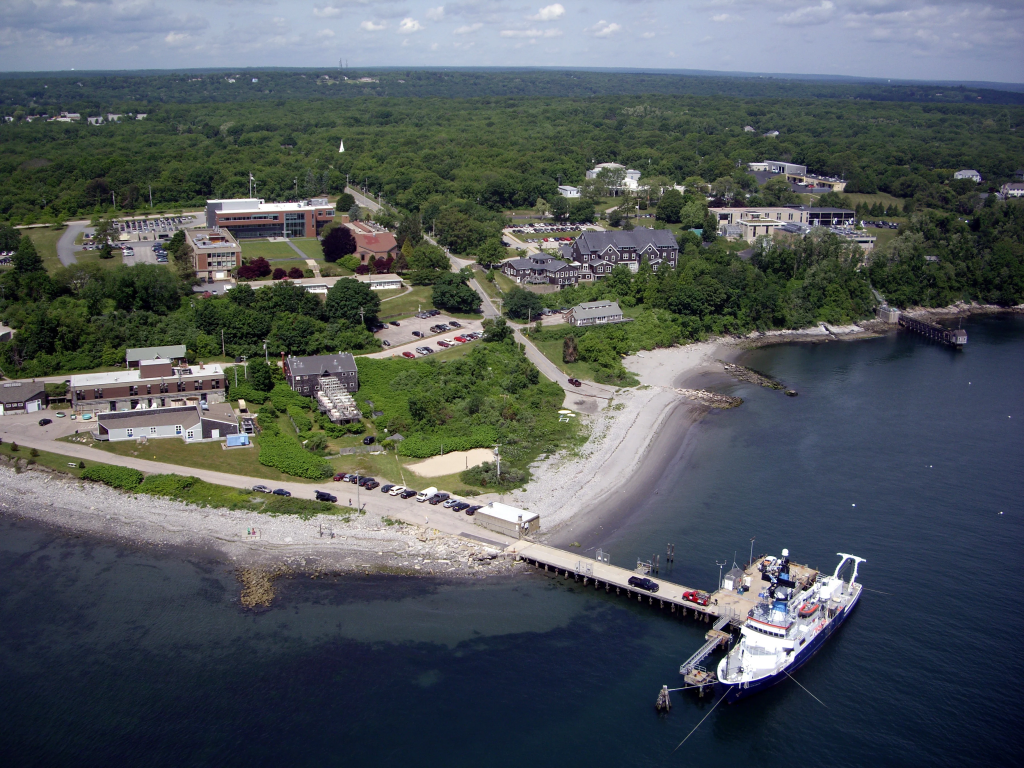
University of Rhode Island, Graduate School of Oceanography
Narragansett, RI
Funded by the U.S. National Science Foundation (NSF), the Ocean Observatories Initiative Facility Board (OOIFB) will host a 2026 Community Workshop focused on current and future science and education initiatives that can be addressed using data from the Ocean Observatories Initiative (OOI) Global Arrays (high-latitude, open-ocean observation systems: Irminger Sea, Station Papa, Argentine Basin, Southern Ocean). Over 2.5 days, members from the ocean science and observing communities will engage in collaborative, science-focused discussions highlighting “a decade of OOI data in the Global Ocean” while also identifying future opportunities and key science questions that still need to be addressed. The workshop will facilitate cross-disciplinary dialogue to identify strategies for better supporting current and prospective users of observatory data and catalyze collaborations in the research and proposal development process across multiple science themes (including but not limited to biogeochemical cycling and transport, high-latitude ocean physics, air-sea boundary/air-sea exchange, and ecosystem dynamics). The event will also offer an opportunity to consider how the NSF OOI Global Arrays integrate with and complement other global ocean data sets and sources. Through these forward looking discussions, we anticipate identifying key, hypothesis-driven questions as well as interdisciplinary teams to champion each of these questions through ongoing collaborations seeded at the workshop. Discussions may also lead to the production of a community white paper (with potential, parallel connections to OceanObs29).
Foundational presentations will be centered on science and discovery, and the best tools to address critical questions. Cooperative projects across disciplines and observatory systems will also be highlighted. To facilitate idea sharing and focused brainstorming, breakout sessions centered on community-identified themes will be integrated into the workshop program. Lastly, an overview of NSF OOI data products highlighting data availability, QA/QC, and how to access OOI data will be provided along with hands-on demonstrations. Multiple networking sessions will be scheduled throughout the workshop, and a poster session, where participants are invited to present on their research and education projects (what have you done, or what might you like to accomplish with observatory data?) is scheduled for the evening of Workshop Day 2 (August 27, 2026). A workshop agenda outline can be found here.
Individuals interested in participating in this workshop must submit this online application. The application will remain open through 11:59pm ET, May 12, 2026.
In-person participation is recommended to achieve maximum benefit; options for virtual participation will be available. Please note: there is no registration fee to attend this event, and travel support (via workshop reimbursement) is available for eligible individuals.
Who should attend this community workshop?
- Current users of NSF OOI data (novice to experienced levels welcome)
- Prospective users of NSF OOI data (including those familiar with OOI and those who have never heard of OOI)
- Individuals interested in adding instrumentation to NSF OOI infrastructure
- Resource managers from national, state, and tribal agencies
- Educators at all levels interested in using data from the OOI
If you have any questions or issues, please email Holly Morin (holly@ooifb.org).